
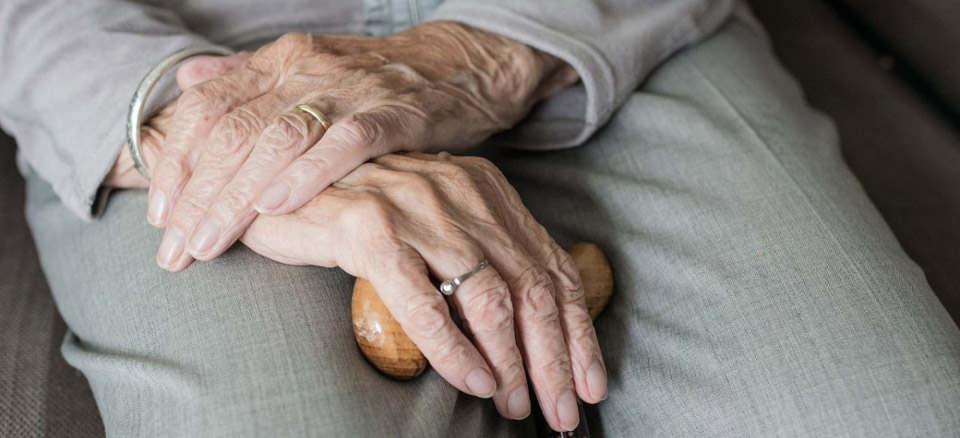
Loneliness in old age is an issue that often goes unnoticed, but its effects are significant and worrying. As social contacts decrease and daily activities are limited, many older people begin to experience isolation that can seriously affect their mental health. This condition is not only a result of aging, but also of the lack of adequate support from society. However, loneliness should not be considered inevitable.
Loneliness, constituting a serious challenge for the mental health of older people, greatly affects the quality of daily life. Many older people experience the loss of loved ones, withdrawal from social activities. This results in them facing increased levels of anxiety, depression, and in some cases, cognitive decline. This situation is exacerbated by retirement and the physical limitations that accompany age, intensifying feelings of insecurity and isolation. Therefore, the need for social contact and support becomes imperative. This means that solutions and interventions are needed that will strengthen the mental and social cohesion of the elderly.
Factors That Contribute to Loneliness
Some of the factors that may enhance the feeling of loneliness in the elderly are:
– Loss of Partner and Friends: The death of a partner or close friends is one of the main causes of loneliness in the elderly, as it leaves an emotional void that is difficult to fill.
– Retirement from work: Retirement is often accompanied by the loss of daily social contacts and structures that provide a sense of purpose and value.
– Physical Limitations: Physical ailments and reduced mobility can limit social activities, intensifying the feeling of isolation.
– Changes in family structure: The removal of children and grandchildren for work or other commitments can reduce family contact and support.
– Vacations: During the summer and holidays in general, younger people tend to go on vacation, leaving older people behind. This can intensify feelings of loneliness and isolation, as older people may feel excluded from the activities and experiences of younger family members.
– Lack of purpose: Older people feel that they are no longer actively contributing to family or social life as they used to and may feel that they have no purpose. This can lead to an increased sense of isolation and anxiety, as they choose to withdraw to avoid the negative feelings that may arise from the perception that they are no longer useful or important.
Impacts on Mental Health
Elderly people often face neglect and indifference from their social environment, especially from younger generations. They may feel that they are not treated equally and may experience anger or even belittlement from others. As a result, they prefer to choose solitude, avoiding the negative emotional effects of these interactions, spending their time at home alone.
Loneliness in the elderly is closely linked to anxiety and mood disorders. According to research, the feeling of loneliness is a strong predictor of changes in depressive symptoms (Zhang et al., 2023). Loneliness can worsen the mental and physical conditions of the elderly, increasing the risk of depression and anxiety. In addition, there is even a risk of morbidity and mortality (Holt-Lunstad et al., 2015). At the same time, the lack of social ties and isolation are closely associated with reduced quality of life and increased involuntary hospitalization (Steptoe et al., 2013). Socially isolated older adults are also more prone to cognitive decline and dementia (Shen et al., 2022). The lack of social ties can lead to a vicious cycle, where mental health deteriorates and the ability to form new social relationships is further reduced.
Coping Methods
– Social Participation: Participation in community and social activities can reduce feelings of isolation. Organizations and programs for seniors can offer opportunities for social contact and participation.
– Technology: The use of technology, such as social networks and video calls, can help seniors maintain contact with family and friends, even if they are geographically distant.
– Psychological Support: Psychological therapies, such as cognitive behavioral therapy, have been shown to be effective in relieving symptoms of depression and anxiety. Psychologists can help older adults develop strategies for empowerment and emotional management.
– Intergenerational Relationships: Relationships with younger generations, such as grandchildren, can provide emotional support and enhance a sense of purpose.
Loneliness and mental health in older adults is a complex issue that requires holistic approaches and active support from society. In this way, social interaction and mental well-being can be promoted. With appropriate care and social integration, older people can live a quality and happy life, reducing the negative effects of loneliness.
Bibliography
Holt-Lunstad, J., Smith, T.B., Baker, M., Harris, T. and Stephenson, D. (2015). Loneliness and Social Isolation as Risk Factors for Mortality. Perspectives on Psychological Science, [online] 10(2), pp.227–237. doi:https://doi.org/10.1177/1745691614568352.
NHS (2022).Loneliness in Older People. [online] https://www.nhs.uk. Available at: https://www.nhs.uk/mental-health/feelings-symptoms-behaviours/feelings-and-symptoms/loneliness-in-older-people/.
Shen, C., Rolls, E., Cheng, W., Kang, J., Dong, G., Xie, C., Zhao, X.-M., Sahakian, B. and Feng, J. (2022). Associations of Social Isolation and Loneliness With Later Dementia.Neurology, 99(2), p.10.1212/WNL.0000000000200583. doi:https://doi.org/10.1212/wnl.0000000000200583.
Steptoe, A., Shankar, A., Demakakos, P. and Wardle, J. (2013). Social Isolation, Loneliness, and All-Cause Mortality in Older Men and Women.Proceedings of the National Academy of Sciences, 110(15), pp.5797–5801. doi:https://doi.org/10.1073/pnas.1219686110.
Zhang, Y., Kuang, J., Xin, Z., Fang, J., Song, R., Yang, Y., Song, P., Wang, Y. and Wang, J. (2023). Loneliness, social isolation, depression and anxiety among the elderly in Shanghai: Findings from a longitudinal study.Archives of Gerontology and Geriatrics, 110, p.104980. doi:https://doi.org/10.1016/j.archger.2023.104980.
